Sampling
Checked 200, or Looked at 20? How a Shortcut Inspection Moves the Risk Back to the Buyer
A sampling plan is a promise about risk. When a plan calls for 200 units and only a fraction of them are actually opened and examined, the report still says “pass”, but the protection the buyer paid for is gone. This guide puts numbers on that difference, lists the shortcuts that cause it, and shows how to check a report for them.
- How much protection a smaller sample really gives, in numbers
- The usual shortcuts, and why they happen
- Seven things to look for in an inspection report
- What to write into your booking so the full sample is checked
Why Sample Size Is the Whole Point
An AQL plan works by probability. The larger the sample that is genuinely examined, the more reliably a bad lot is caught. The table below compares the full plan for a lot of 3,201 to 10,000 units at general inspection level II and AQL 2.5 (200 units, accept up to 10 defective) with what happens when only 32 units are examined and judged by the plan ISO 2859-1 gives for that sample size (accept up to 2).
| Defective units in the lot | 200 units examined (accept ≤ 10) | 32 units examined (accept ≤ 2) |
|---|---|---|
| 4% | 82% | 87% |
| 6% | 34% | 70% |
| 8% | 7% (about 1 in 14) | 52% (about 1 in 2) |
| 10% | under 1% | 37% |
Calculated with the binomial distribution. AQL 2.5 is the most common level for major defects.
Read the 8% row. If roughly one unit in twelve is defective, a full 200-unit check accepts that lot about once in fourteen inspections. Look at only 32 units and it is accepted about half the time. The report looks the same either way. The difference is who carries the risk: with the full sample it stays with the factory, which has to rework; with the shortcut it moves to the buyer, who finds out from customer returns.
Both plans are legitimate for the lot sizes they belong to. The problem is a report that states one plan and an inspection that carried out the other.
Common Shortcuts
Most shortcuts are not dishonesty so much as time pressure: an inspector with a second factory to reach that afternoon, a warehouse with cartons stacked to the ceiling, a factory keen to help. The effect on the buyer is the same.
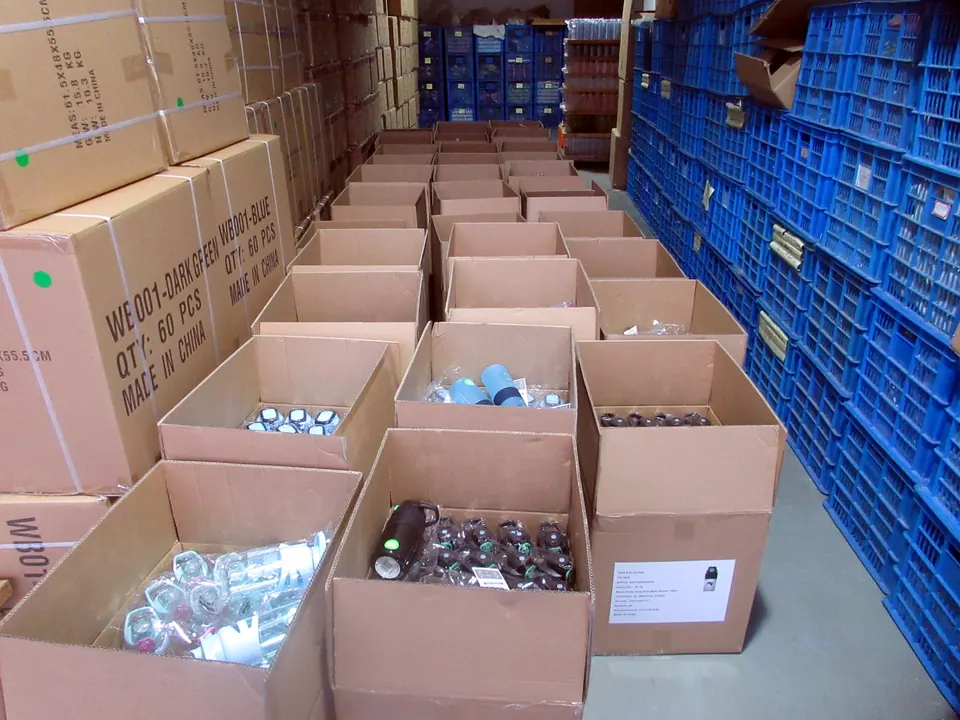
- Checking through the packaging. Units are looked at inside their polybag or blister, or the inner box is opened but the product is not taken out. Scratches, cracks, loose parts and missing accessories stay hidden.
- Factory-selected cartons. The cartons are waiting by the door when the inspector arrives. They may be fine; they are also the cartons the factory chose.
- Cartons from one place. All cartons come from the front of one pallet, because reaching the others means moving the stack.
- The count is written, not shown. The report states the sample size but the photos show a handful of units.
- Fewer units for the slow checks. Visual checks cover the sample, but assembly, function or measurements are done on a few pieces without a stated sample size.
- Styles merged. Several colours or styles are checked as one sample, so a defect concentrated in one of them is diluted.
How Our Inspectors Draw and Check the Sample
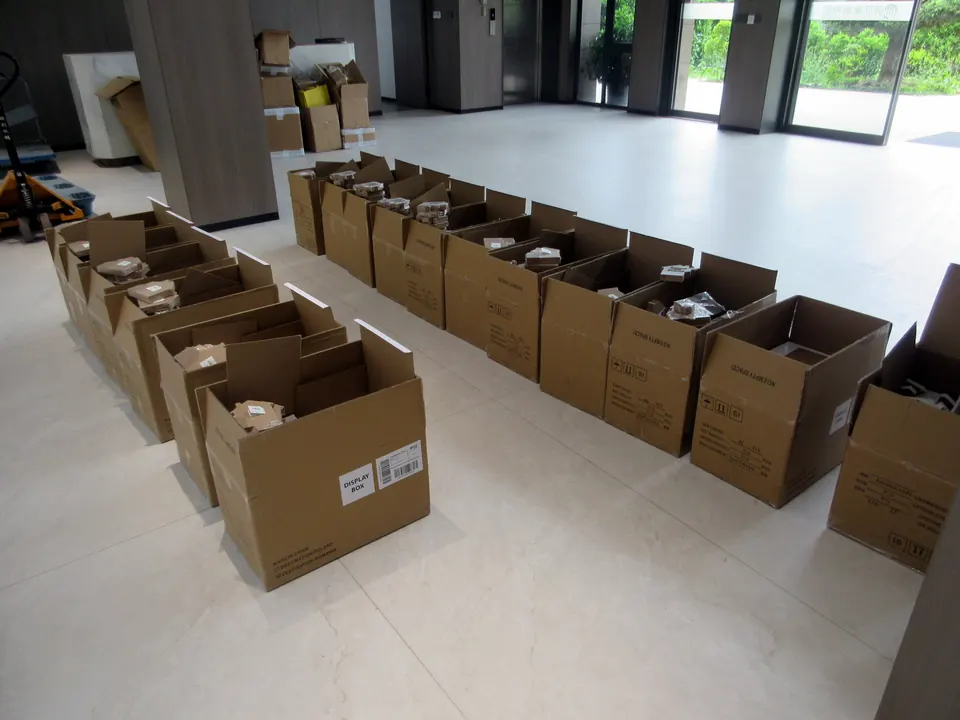
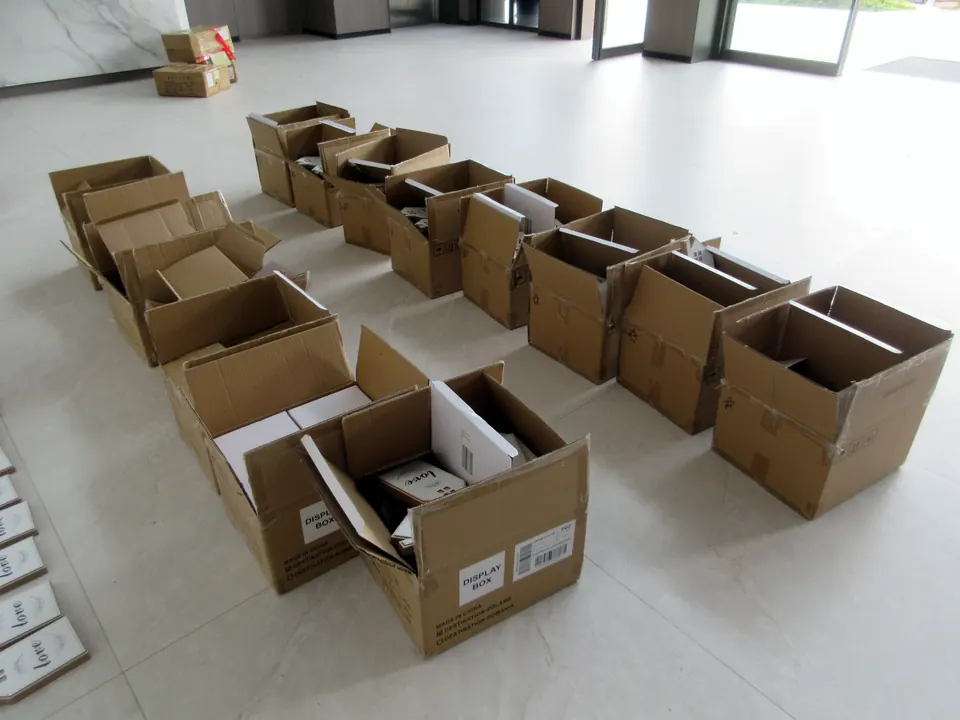
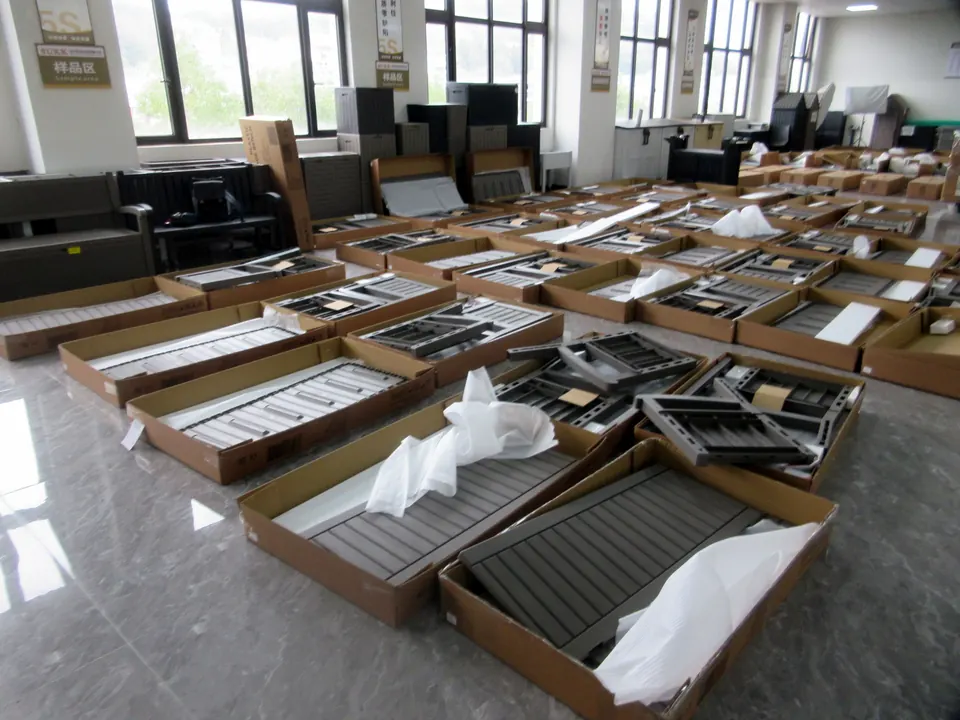
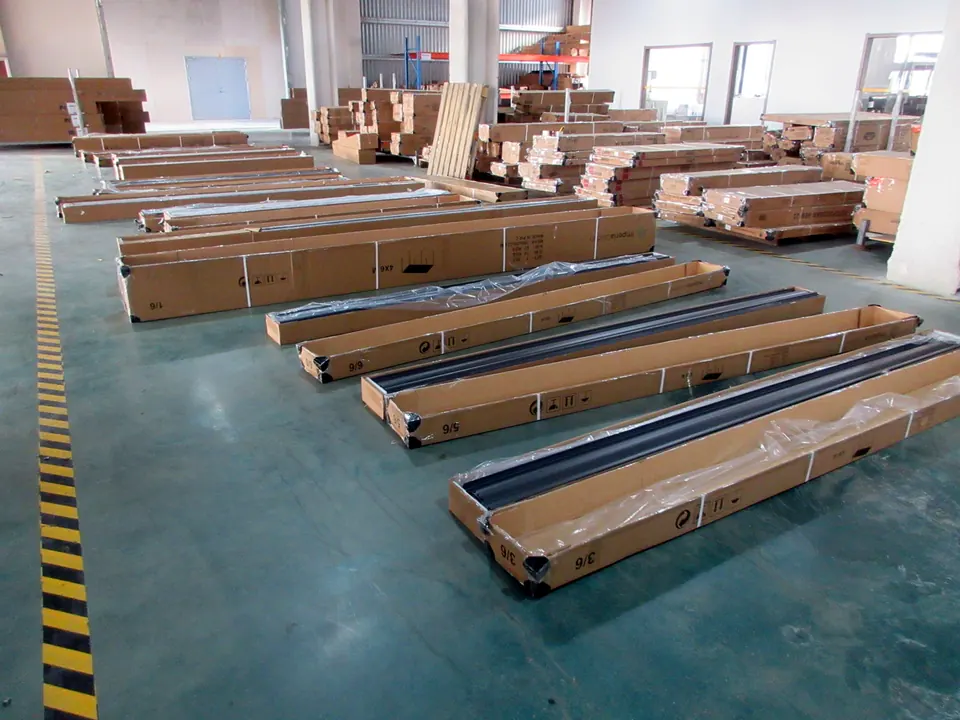
Our inspectors choose the cartons themselves, from different pallets and different levels of the stacks, and open every carton they select. Every unit in the sample is taken out of its packaging, the full sample is laid out and photographed, and each unit is checked against the checklist. Large and awkward products are no exception: flat-pack furniture and long cartons are opened on the floor so the parts can be counted and inspected. The step-by-step method, with photos, is in what a full AQL inspection looks like.

Seven Things to Look for in a Report
- A photo of the full sample laid out. The number of units in the photo should match the sample size in the report.
- The carton numbers opened, and how many cartons there were in total. The opened cartons should come from across the range, not from one block.
- Photos of cartons being opened on different pallets or stacks.
- Units shown out of their packaging, with the packaging photographed separately.
- A stated sample size for every check, including measurements, function tests and on-site tests, not only for the visual inspection.
- Separate results for each style, colour or PO if that is what the plan required.
- A photo of each defect on the unit it was found on, with the defect classified as critical, major or minor.
Our guide to pre-shipment inspection reports covers the rest of the report, and critical, major and minor defects explains the classification.
What to Write in Your Booking or Purchase Order
- The sampling standard, inspection level and AQL for each defect class, or a fixed sample size
- That cartons are selected by the inspector from across the lot, and that at least the square root of the total number of cartons is opened
- That every sampled unit is removed from its packaging before inspection
- That the report includes a photo of the full sample and the list of carton numbers opened
- Separate sampling for each style, colour or PO where needed
- That at least 80% of the order is finished and packed at the time of a final inspection (see inspection clauses for your purchase order)
What Sampling Cannot Promise
Even a perfectly executed AQL inspection accepts some risk, as the 4% row in the table shows: a lot with a low defect rate will usually pass, and some defective units will ship with it. That is the trade-off a sampling plan is designed to make. A full sample keeps that risk at the level the plan states; a shortcut quietly raises it. If your product cannot tolerate any defective units reaching the customer, ask for a 100% inspection of the critical points instead.
Related reading
- Every unit in the sample, out of the carton: what a full AQL inspection looks like
- From poufs to burner caps: on-site inspection photos across 12 product types
- AQL sampling inspection for importers
- AQL calculator: sample size and accept/reject numbers
Want the full sample checked?
Set your sampling plan when you book. Every unit in it is unpacked and checked, and the full sample is in the report photos.
Book an inspection