Sampling
Every Unit in the Sample, Out of the Carton: What a Full AQL Inspection Looks Like
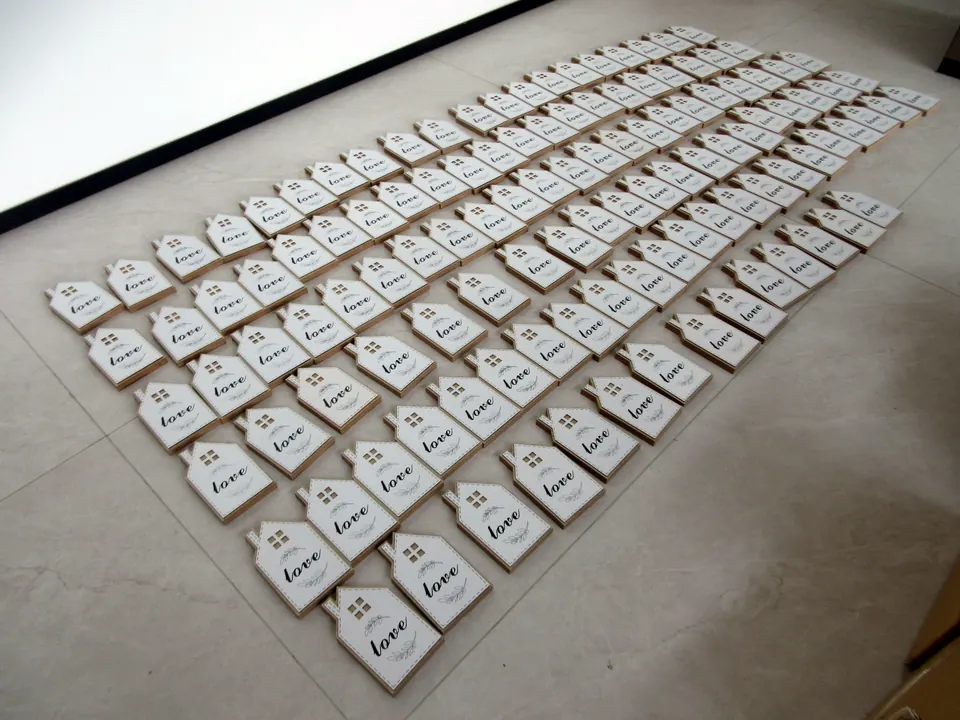
An inspection report says “sample size: 200 pcs”. That line is only worth something if 200 pieces were actually taken out of their cartons, out of their bags and checked one by one. This guide shows what that looks like on a factory floor, using photos from our own inspections: how the cartons are chosen, how every sampled unit is unpacked and laid out, and why the full sample is photographed before a single defect is counted.
- What a sample size such as 200 units means in an ISO 2859-1 sampling plan
- How the cartons are chosen across the whole lot
- Why every sampled unit is taken out of its packaging and laid out
- What is checked on each unit, and what a full sample still cannot tell you
What “200 Units” Means in a Sampling Plan
Under ISO 2859-1 (and its US counterpart ANSI/ASQ Z1.4), the lot size and the inspection level set a sample size, and the AQL sets how many defective units that sample may contain before the lot fails. At general inspection level II, the level used on most pre-shipment inspections:
| Lot size (units) | Sample size | AQL 2.5 (major): accept / reject | AQL 4.0 (minor): accept / reject |
|---|---|---|---|
| 501 – 1,200 | 80 | 5 / 6 | 7 / 8 |
| 1,201 – 3,200 | 125 | 7 / 8 | 10 / 11 |
| 3,201 – 10,000 | 200 | 10 / 11 | 14 / 15 |
| 10,001 – 35,000 | 315 | 14 / 15 | 21 / 22 |
The accept and reject numbers only hold if the whole sample is examined. They are calculated for 200 units checked, not for 200 units counted and 30 looked at. You can work out the plan for your own lot with our AQL calculator; the logic behind it is explained in AQL sampling inspection for importers.
Step 1: The Inspector Chooses the Cartons, Across the Whole Lot
A sample is only random if the factory does not choose it. Our inspectors select the cartons themselves, from different pallets and from the top, middle and bottom of the stacks, rather than accepting cartons that have been set aside. A common rule is to open at least the square root of the number of export cartons, rounded up. For an order of 5,000 units packed in 250 cartons, that means 16 cartons, with the 200 sample units drawn evenly from all of them.
Spreading the sample matters because problems tend to cluster: a shift that ran a worn mould, a batch of material from a different supplier, the last cartons packed in a hurry. A sample taken from one corner of the warehouse can miss all of them.
Step 2: Every Sampled Unit Comes Out of Its Packaging
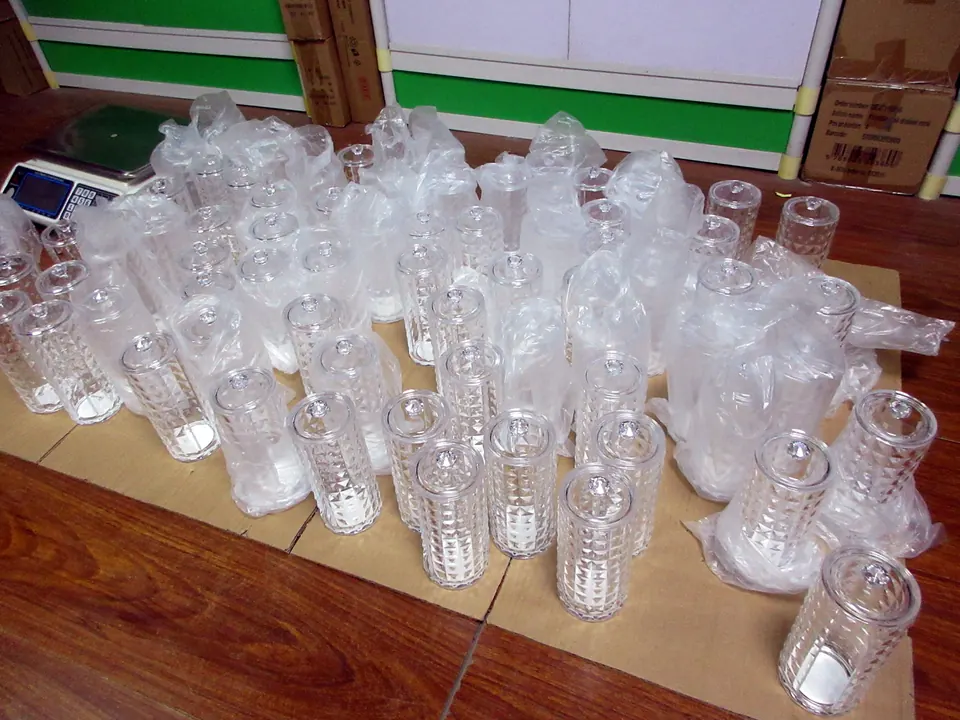
A scratch, a short shot in a plastic part or a hairline crack in glass is easy to miss through a polybag and impossible to see inside a closed gift box. Every unit in the sample is taken out of its bag or inner box before it is checked. The packaging itself is checked at the same time: the right bag, the right warning text, the right insert.
Step 3: The Full Sample Is Laid Out and Counted
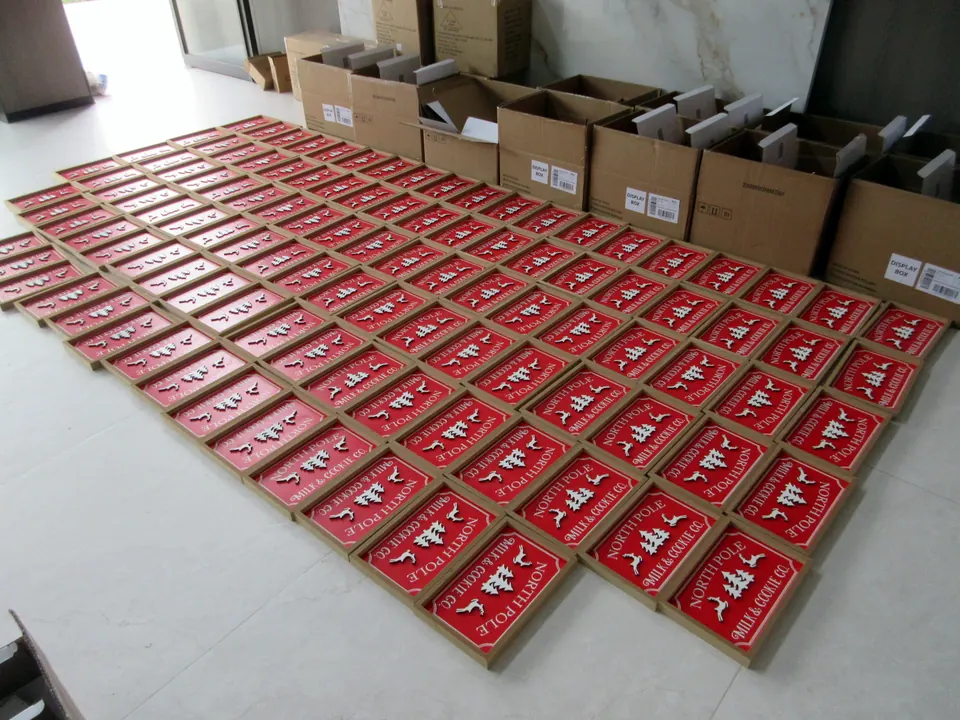
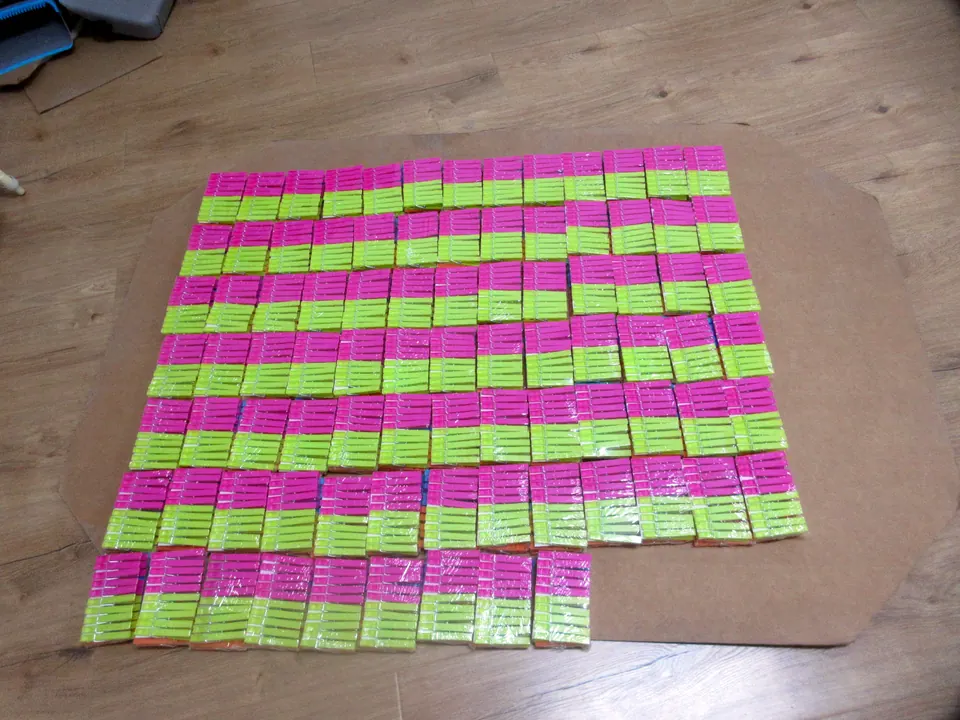
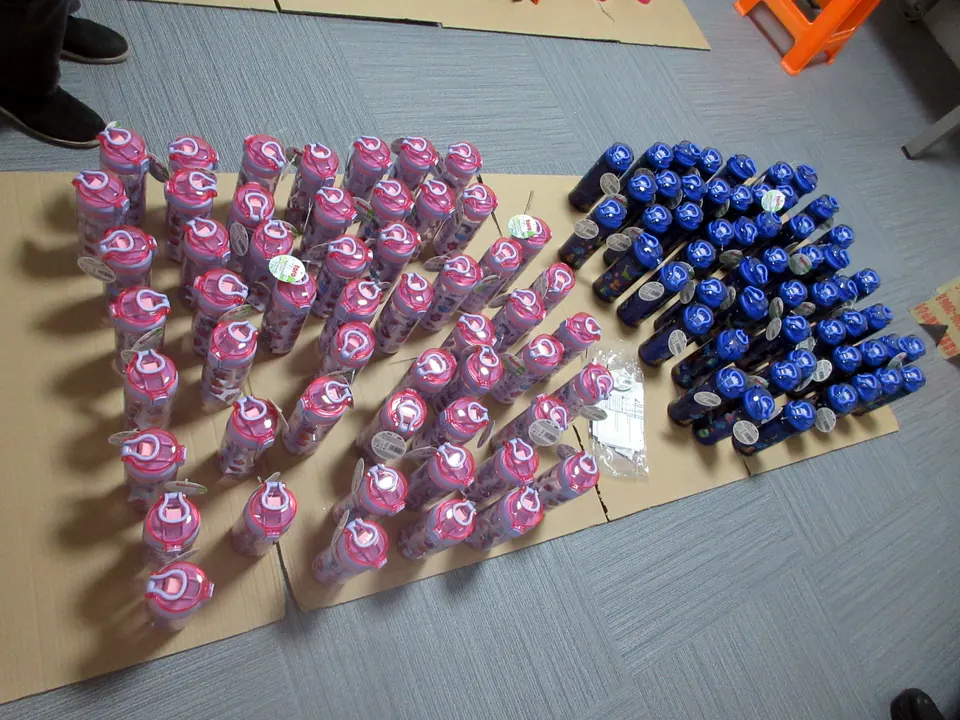
Before the detailed checks begin, the whole sample is laid out on the floor or a table, in rows where the product allows it, and photographed. This does three things:
- It proves the count. Anyone reading the report can see that the sample in the plan is the sample that was inspected.
- It shows variation at a glance. With every unit side by side, a different shade of colour, a misplaced print or a part assembled the wrong way round stands out in a way it never does when units are checked one at a time from a carton.
- It keeps checked and unchecked units apart. Units are moved as they are checked, so none is counted twice and none is skipped.
Step 4: Each Unit Is Checked Against the Checklist
Only then does the unit-by-unit inspection start: appearance and workmanship against the approved sample, dimensions and weight against the specification, assembly and function where the product has moving or working parts, and labels, barcodes and markings against the artwork. Measurements are taken with the tools, not by eye, and the reading is in the photo.
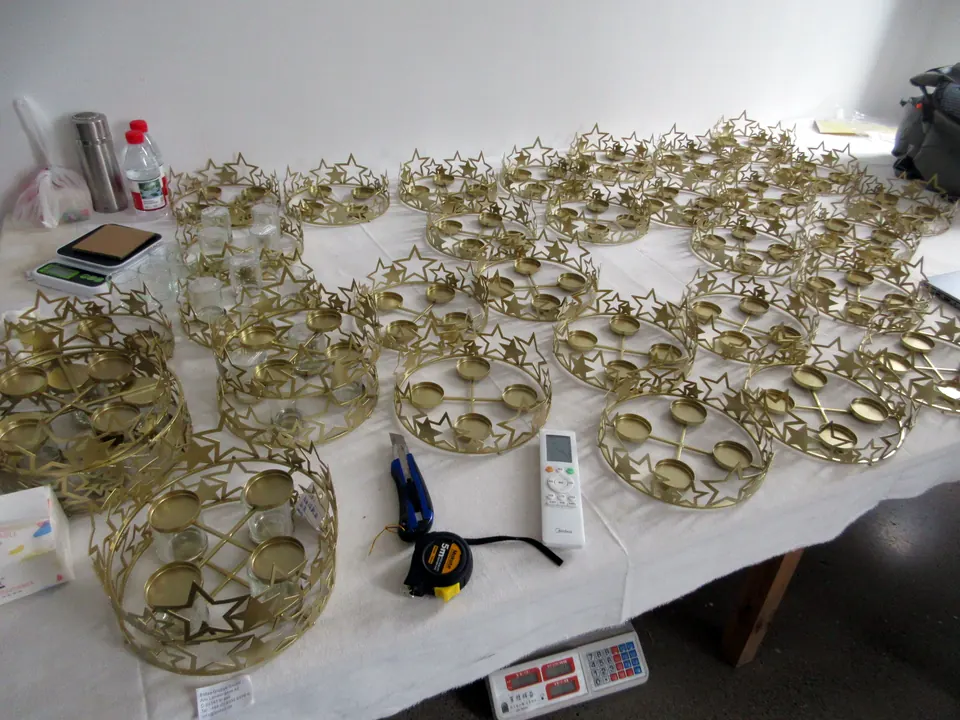
Where an order has several styles or colours, each one is sampled and checked as its own group, so a problem in one colourway is not diluted by the others.
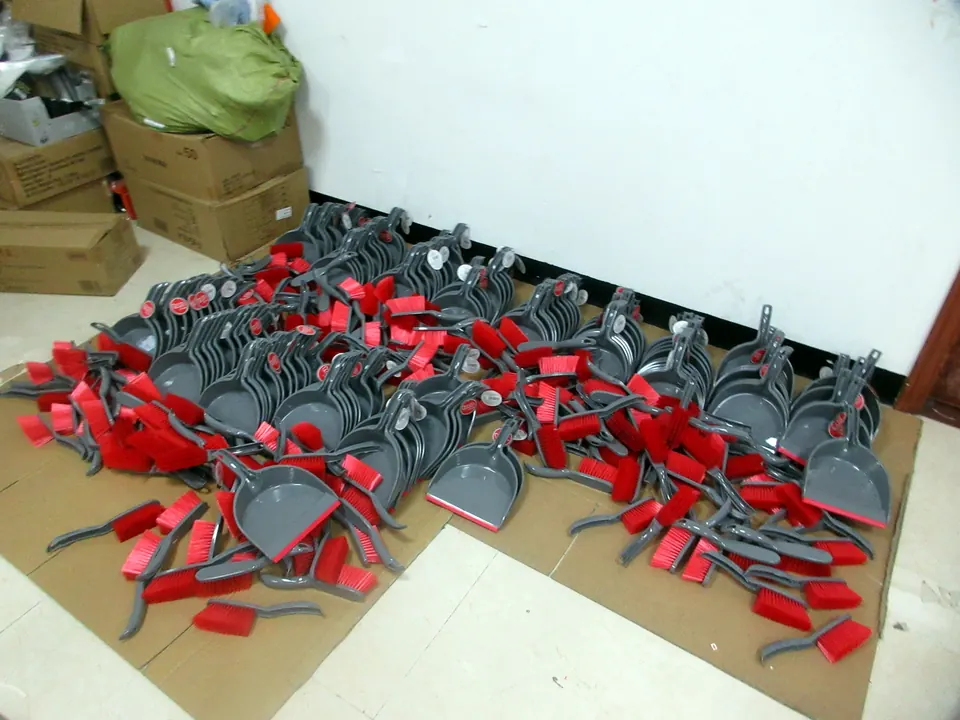
Defects are recorded unit by unit and classified as critical, major or minor against the buyer's list (see critical, major and minor defects). Each defect is photographed on the unit it was found on. When the checks are finished, the units go back into their original packaging and cartons, and the opened cartons are resealed and marked as inspected.
Why It Takes the Time It Takes
Unpacking, laying out and checking 200 units of a multi-part product is most of an inspector's day, before carton checks, on-site tests and the report. That is the honest cost of the sample size in the plan. If an inspection of a large order is reported as finished in an hour or two, it is worth asking how many units were actually handled. Our article on shortcut inspections explains what checking fewer units than the plan does to your risk.
What a Full Sample Still Cannot Do
A sample, however carefully checked, is still a sample. An AQL plan accepts a known statistical risk that some defective units will be in the goods that ship; that is what the acceptance number means. What a full, properly drawn sample removes is the avoidable risk: the defects that were in the sample and were never looked at. When the cost of any defective unit reaching your customer is too high, a 100% inspection or a sort after a failed result is the right tool, and our guide on what to do when an inspection fails covers the options.
Put It in Your Booking
- The inspection level and AQL for critical, major and minor defects, or your own sample size (see set your sampling plan when you book)
- Separate sampling for each style, colour or PO if they must be judged separately
- A photo of the full sample laid out, and a list of the carton numbers opened
- The approved sample or golden sample the units are compared against
- Your checklist: dimensions, weights, functions and labels (see how to prepare an inspection checklist)
Related reading
- Checked 200 or looked at 20? How a shortcut inspection moves the risk back to the buyer
- From poufs to burner caps: on-site inspection photos across 12 product types
- What a pre-shipment inspection report should contain
Book an inspection that checks the whole sample
Every unit in the plan is unpacked, laid out and checked, and the full sample is in the report photos.
Book an inspection