Case Study
Case Study: How an Inspection Caught Grade 20 Steel in Place of Grade 30
This is a case from our own inspection work, with the buyer and the factory left unnamed. An order of steel parts looked correct in every way an inspector can see. The dimensions were within tolerance, the finish was clean and the packing was right. But the steel was not the grade the contract specified. No visual check could have caught it. The raw-material paperwork did.
- What happened, and how the substitution was found
- Why a supplier makes a change like this without meaning any harm
- Why the difference between grade 20 and grade 30 steel matters
- How buyers can verify material grade on their own orders
What Happened
The contract for the parts specified grade 30 carbon steel, written 30# in China. It is one of the quality carbon structural steels defined in the Chinese standard GB/T 699. The inspection covered the usual points: dimensions against the drawing, surface condition, workmanship and packing. None of it showed a problem.
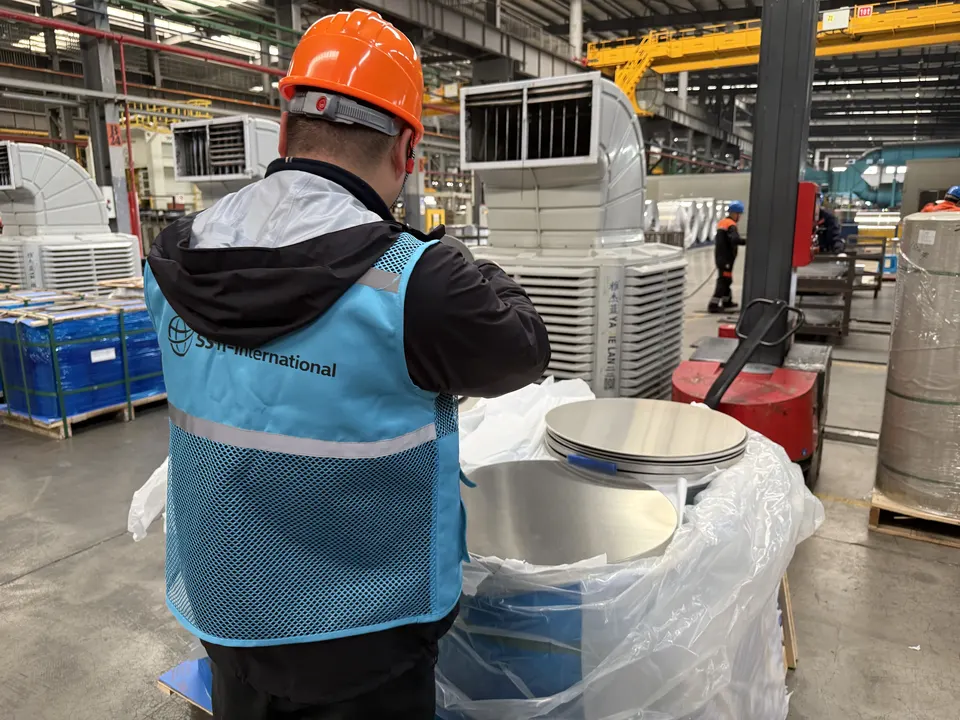
Material grade was part of the contract, so the inspector also asked to see the documentation for the steel used in the batch. The factory produced the material report issued by its raw-material supplier. That report described grade 20 steel, not grade 30.
The factory confirmed the substitution. We reported it to the buyer with the document and our findings. The buyer then required the factory to buy steel of the specified grade and produce the batch again.
Not Fraud, But Still a Problem
The factory had not tried to hide anything, and the material report was not forged. The purchasing decision had been made to reduce cost. The factory believed grade 20 would be good enough for these parts, and it did not treat the change as something that needed the buyer's approval.
This is how most material substitutions happen. Deliberate fraud is rare. What is common is a supplier deciding on its own that a cheaper material is equivalent, usually without knowing why the buyer specified the original. The intent does not change the outcome. The goods would not have met the contract, and the buyer would have been the one to find out, possibly after the parts were in use.
Why the Grade Matters
In GB/T 699 the number in the grade indicates the approximate carbon content. Grade 20 contains roughly 0.2% carbon and grade 30 roughly 0.3%. Carbon content drives strength and hardness. The standard's minimum tensile strength for grade 30 is 490 MPa, against 410 MPa for grade 20, which is about a fifth higher. The comparison uses the normalised reference samples the standard specifies. Grade 30 also responds differently to heat treatment.
A part designed around grade 30 may rely on that extra strength, hardness or heat-treatment response. The buyer may also have customers of its own with a material requirement. Whether grade 20 would have failed in this application is a question for the buyer's engineers. The specification is how the buyer answered it in advance. A supplier who changes it removes a margin the buyer chose to have.
| Grade 20 (20#) | Grade 30 (30#) | |
|---|---|---|
| Approximate carbon content | about 0.2% | about 0.3% |
| Minimum tensile strength* | 410 MPa | 490 MPa |
| Minimum yield strength* | 245 MPa | 295 MPa |
| Visible difference in finished parts | None | None |
*Values for normalised reference samples as specified in GB/T 699; actual properties depend on size and heat treatment.
Why a Visual Inspection Cannot Catch It
Grade 20 and grade 30 steel look the same. They machine to the same dimensions, take the same surface finish and weigh the same. An inspection that checks only the finished parts against the drawing will pass a substituted batch every time. Material grade has to be verified in other ways.
- Documents. Ask for the steel supplier's or mill's material certificate for the batch actually used. It should state the grade, the standard, the chemical composition and a heat or batch number.
- Traceability. A genuine certificate proves little if it belongs to a different lot. Where the stock still carries markings, check that the heat or batch number on the bar, sheet or tag matches the certificate.
- Testing. For critical parts, have production samples analysed for chemical composition. Handheld XRF analysers cannot measure carbon, so they cannot tell grade 20 from grade 30. That takes an optical emission spectrometer, usually at a lab. Hardness testing can also show a difference, especially on heat-treated parts.
A factory audit can show whether the supplier checks incoming material at all. An initial production check at the start of the run is the cheapest time to verify material. Once the steel has been cut and machined into thousands of parts, the only fix is the one this buyer needed: new material and a new batch.
What Buyers Can Put in Place
Most of the protection comes from the purchase order, before any inspection takes place.
- State the material by grade and standard, such as "30# steel to GB/T 699" or the equivalent in the standard you work to. Avoid loose descriptions like "carbon steel" or "iron".
- Require written buyer approval for any material change, even one the supplier considers equivalent.
- Require material certificates to be supplied with the goods, and list them in your inspection checklist so the inspector asks for them and checks them.
- For parts where the material is safety- or performance-critical, budget for lab analysis of production samples and have them selected at random by the inspector, not handed over by the factory.
This case was caught by a question about paperwork, not by a gauge or a tape measure. The inspector's job is to check the product against everything the contract specifies, including what cannot be seen.
Material grade matters on your parts?
SSTI checks material certificates and traceability as part of inspection, and can select production samples for lab analysis.
Talk to SSTI