Supplier Verification
Trading Company or Factory? How to Tell the Difference in China
Many suppliers on sourcing platforms describe themselves as manufacturers, and many of them are trading companies. Using a trading company is not a mistake. It is often the right choice. The mistake is not knowing which kind of supplier you have, because that changes who controls production, where the goods are actually made, and who the inspector needs to visit. This guide shows how to tell the difference from documents and on site, and what to do with the answer.
- What the business licence and public registry tell you
- What to look for at the site itself
- When a trading company is the better choice, and where the risks are
- How to set up inspection when your supplier does not own the factory
Start With the Business Licence
Every Chinese company has a business licence (营业执照) with an 18-character Unified Social Credit Code. Ask for a copy, then check the details yourself on the government's National Enterprise Credit Information Publicity System (gsxt.gov.cn). Do not rely on the copy the supplier sends. Three parts of the record are most useful:
- Company name. Names often include the type of business. One containing 贸易 (trading) or 进出口 (import and export) is usually a trading company. One containing 制造 (manufacturing), 工业 (industry) or a product name with 厂 (factory) usually claims production.
- Business scope (经营范围). A manufacturer's scope normally includes production or processing (生产, 制造, 加工) of the product. A scope that lists only sales, wholesale and import and export (销售, 批发, 进出口) means the company is not registered to manufacture.
- Registered address. Compare it with the address of the factory you are being shown. An office in a city commercial building with production "in the industrial zone" points to a trading company or a separate production entity.
Then check whose name is on the contract, the invoice and the bank account. All three should be the entity you checked. A payment request in the name of a different company, or of a person, needs an explanation before any money is sent.
What the Site Shows
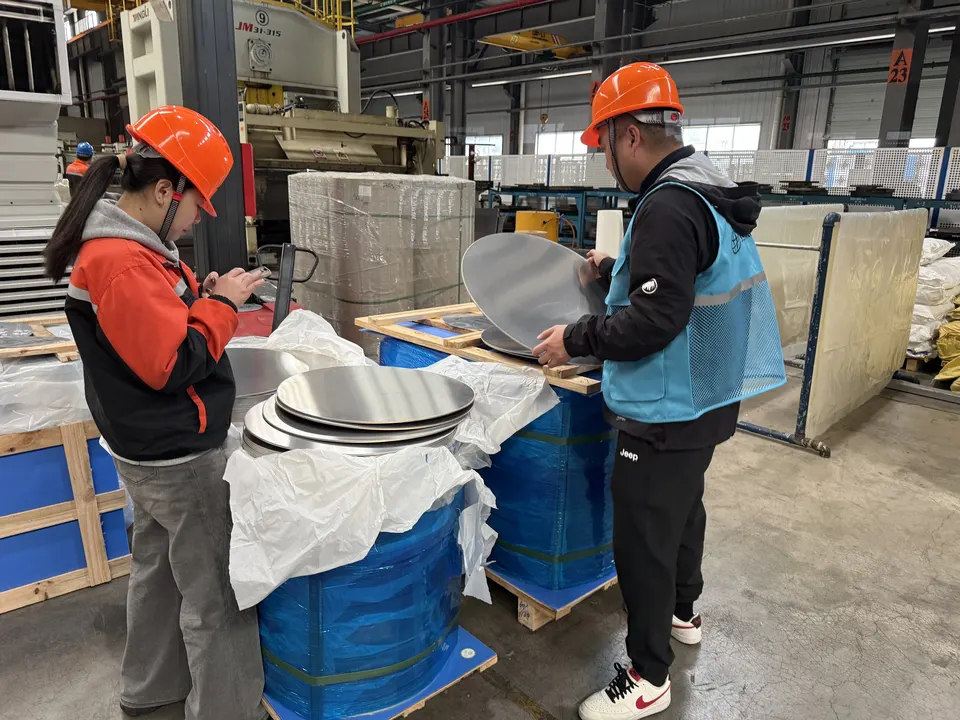
Documents can be prepared. A working factory is harder to fake on an unannounced or independently run visit. At a real manufacturer, an inspector expects to see:
- Production equipment suited to your product, in use, not covered or idle
- Raw material in storage and work in progress between processes
- Workers on the line, and a workforce that fits the claimed capacity
- Your type of product being made now, not only finished samples in a showroom
- Quality records, production schedules and incoming material checks that belong to this site
Trading companies often show a well-stocked showroom, or a tour of a partner's factory presented as their own. A useful test is to ask questions that only the production manager would answer quickly: lead time for a specific process, how often a mould is maintained, what the current utilisation is. A trading company will usually need to "check with the factory".
When a Trading Company Is the Right Choice
For many buyers, a good trading company provides real value. It can combine products from several factories into one shipment, handle small quantities that factories will not accept, manage English communication and export documents, and replace a failing factory without the buyer starting again. For mixed orders, small volumes or new categories, these advantages can outweigh a modest margin.
The risks lie elsewhere. The buyer has no direct line to the people making the goods. The factory can change without notice, so goods approved from one factory may be produced by another. Requirements can get lost between the buyer, the trader and the factory. And the trader's interest is to ship on time. Quality problems found late can be presented as "within tolerance" to protect the delivery.
Set Up the Order for the Supplier You Actually Have
- Name the production site. Ask the trading company to name the factory and its address in writing. Require approval before production moves to a different site.
- Inspect at the factory, not the warehouse. The inspection should take place where the goods are made and packed. Goods moved to a trader's warehouse for "inspection" can be selected or reworked before the inspector arrives.
- Verify the factory, not just the trader. A supplier verification or factory audit should cover the site that will make your order.
- Make the checklist travel. Your checklist and approved sample should go to the factory as well as the trader, so the requirements reach the people doing the work.
| Points to a manufacturer | Points to a trading company | |
|---|---|---|
| Company name | 制造, 工业, 厂, product name | 贸易, 进出口, 供应链 |
| Business scope | Production or processing of the product | Sales, wholesale, import and export only |
| Address | Registered address matches the factory | City office; production "elsewhere" |
| Product range | One or a few related product types | Very wide, unrelated product range |
| Technical questions | Answered directly by production staff | Answers "after checking with the factory" |
| Site | Your product type in production, raw material, WIP | Showroom, samples, or a partner factory tour |
None of these signs is proof on its own. Together they normally give a clear answer, and an independent visit settles any doubt. Either way, the answer should be known before the deposit is paid.
An SSTI supplier qualification visit answers the trader-or-factory question on site, before the deposit is paid.
Not sure who is really making your goods?
SSTI verifies suppliers on site anywhere in mainland China, before the deposit is paid.
Talk to SSTI